




What makes a property a plantation
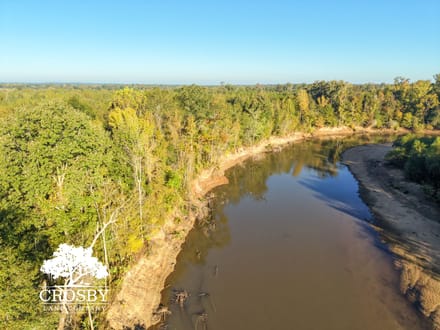
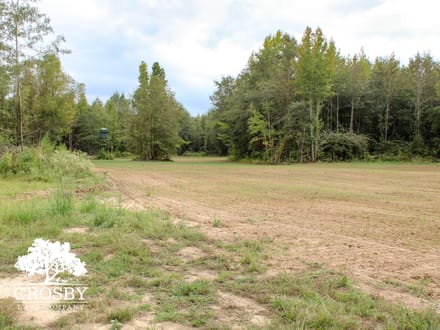
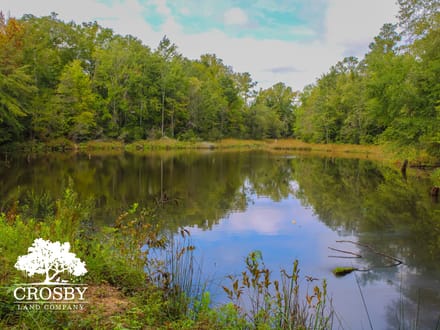
In the Southeast, a plantation is a property with a history: a large tract that has been recognized and marketed under that name, usually for generations, and managed as a single estate rather than carved up. Most are a few hundred to several thousand acres, and most are working land — planted and natural pine, farm fields, and river bottoms that carry the property between hunting seasons. Georgia is the center of the market. The Red Hills between Thomasville and Tallahassee hold the largest block of privately owned native longleaf in the country, managed with prescribed fire for more than a century, and that tradition runs across the state’s Coastal Plain.
What drives plantation value
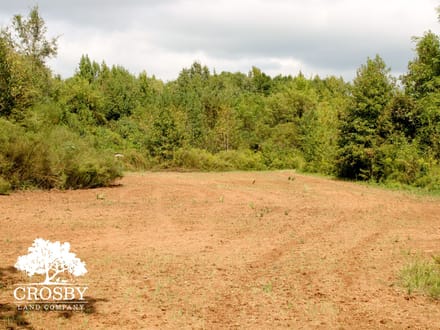
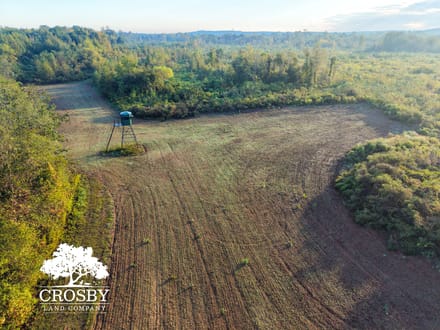
On a managed quail property, wild covey counts drive value more than anything else, followed by the quality of the habitat work — burn history, pine thinning, field borders, and hedgerows — and then the improvements. Georgia’s quail season runs mid-November through the end of February, and the Georgia DNR Bobwhite Quail Initiative offers free technical help and cost-share for exactly the practices that make a plantation hunt well. On river and creek properties, timber value, frontage, and deer, turkey, and waterfowl hunting often carry as much weight as the birds, and a lodge, kennels, or irrigated farm ground add to it where they exist.
Conservation easements and tax treatment
Many Georgia plantations are protected by conservation easements, which preserve the land as working habitat and can carry a federal income tax deduction and a Georgia Conservation Tax Credit of up to 25 percent of the easement value, a program the state has renewed in five-year cycles. An easement also shapes what a new owner can and cannot build, so we review the deed of easement line by line, and confirm the credit’s current status and caps, before you make an offer. The same CUVA and Forest Land Protection Act covenants that apply to Georgia timberland apply here, and timber is taxed only once, at harvest. Our agents deal with all of these regularly.
Where we work in Georgia
Our agents work plantation properties across Georgia, with the deepest roots in the southeast and east-central counties — Bulloch, Screven, Effingham, Jenkins, Candler, Evans, Emanuel, Burke, Tattnall, Long, and Liberty — and we list estates statewide. Public land in the region — including Di-Lane Plantation WMA in Burke County, a state-managed quail area, and Tuckahoe WMA on the Savannah River in Screven County — supports both the hunting and the long-term value of plantation ground nearby.
Looking for a smaller sporting tract? Browse our hunting land for sale in Georgia, or the Georgia timberland for sale and farms for sale in Georgia if income comes first. We also represent plantations for sale in South Carolina — or see all land for sale in Georgia.
Frequently asked questions
How much does a plantation cost in Georgia?
It depends on acreage, river frontage, timber, water, wild quail numbers, and the quality of any lodge and improvements, and the spread between two plantations in the same county can be enormous. The listings above show live asking prices; if you own a plantation and want to know what it is worth, request a free, confidential property evaluation.
When is quail season in Georgia?
Georgia’s bobwhite quail season runs from mid-November through the end of February, with a daily limit of 12 birds. Most plantations also hunt deer, turkey, and wood ducks in season.
What is a conservation easement, and does it limit what I can do?
A permanent agreement that restricts development on the land in exchange for tax benefits. It typically allows continued hunting, timber management, and farming, but limits subdivision and new construction. Every easement is different, and we review the deed with you before you buy.
What should I check before buying a plantation in Georgia?
The property’s history and how it has been managed, recent covey counts and burn history where quail are the draw, timber inventory and whether any timber has been sold or reserved, water rights and any irrigation permits, the terms of any conservation easement or CUVA covenant, the condition of any lodge and infrastructure, and what equipment and staff convey. Our agents check all of these before we list a property — and before you buy one.
Own a plantation in Georgia? Landowners across the Southeast trust Crosby Land Company to bring the right buyer at the right price. Get a free, confidential property evaluation — no cost, no obligation.
Accredited Land Consultant (ALC) on staff · Named to The Land Report’s 2026 America’s Best Brokerages · Licensed in South Carolina, Georgia, Alabama, North Carolina, and Florida
