






Hunting country from the mountains to the coast
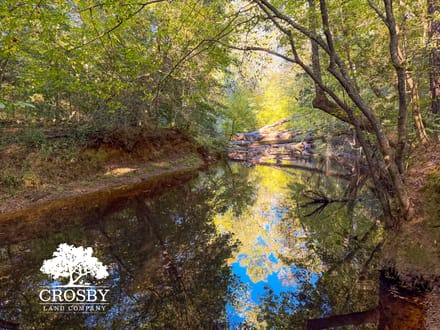
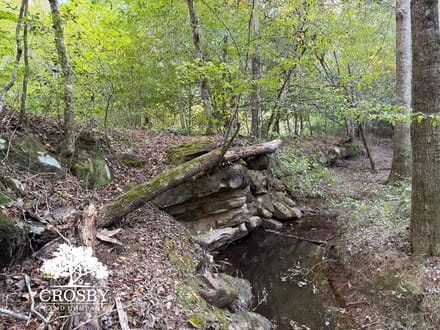
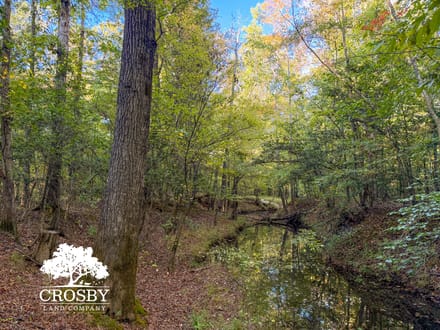
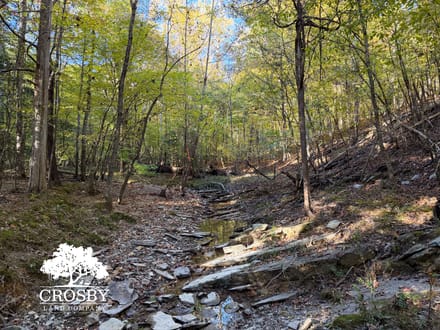
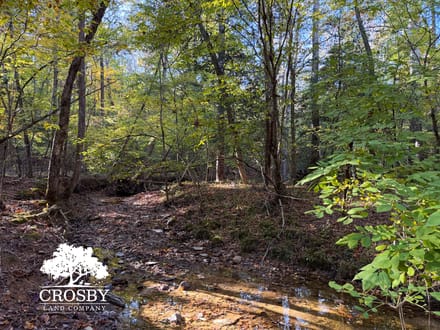
North Carolina covers more ground for a hunter than almost any state in the Southeast. In the west, the Blue Ridge and the Pisgah and Nantahala national forests hold steep hardwood ridges, oak flats, and one of the strongest black bear populations in the East. Across the Piedmont and the Uwharrie hills, farm edges, hardwood drains, and planted pine produce steady whitetail and turkey hunting within reach of Charlotte, Greensboro, and Raleigh. The Sandhills of Moore, Richmond, Scotland, and Hoke are longleaf and wiregrass country with good deer and turkey numbers, and the coastal plain — the Lumber, Cape Fear, Black, and Pee Dee river bottoms out to the sounds — adds wood ducks, big-water waterfowl, and a second strong black bear range.
Seasons and public land
Deer seasons are long and set by zone. In the southeastern zone, archery opens September 12 and gun season runs October 17 through January 1; the central zone opens gun season November 14, and the western and northwestern zones run their own dates. Spring turkey runs April 17 to May 15, 2027, with a two-bird season limit. Public land is close to much of the state, which matters both for your own hunting and for resale: the Pisgah and Nantahala national forests together cover more than a million acres in the mountains, Uwharrie National Forest Game Land covers about 52,700 acres in Montgomery, Randolph, and Davidson counties, Sandhills Game Land roughly 60,000 acres across Moore, Richmond, Scotland, and Hoke, and Bladen Lakes State Forest more than 33,000 acres on the coastal plain.
Timber that pays while you hunt
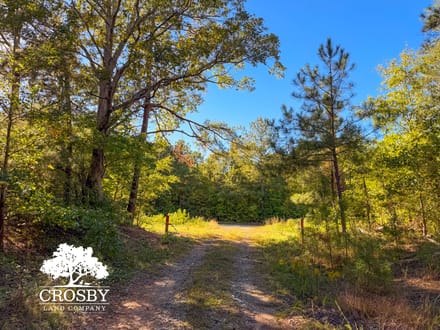
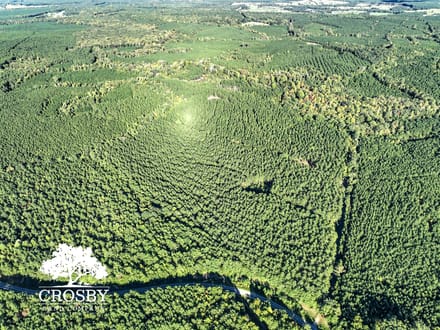
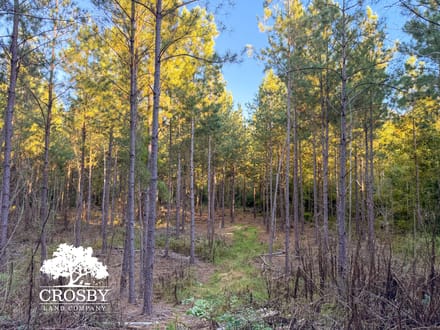
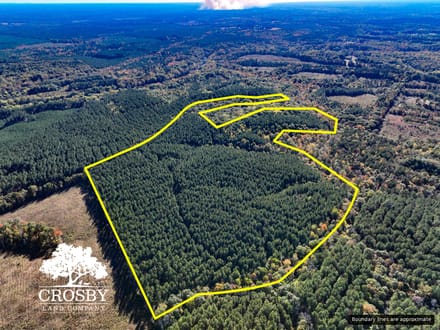
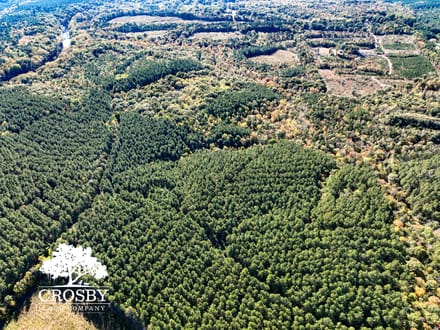
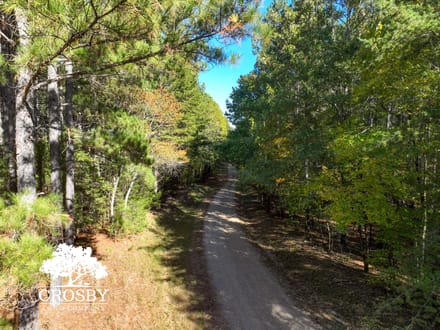
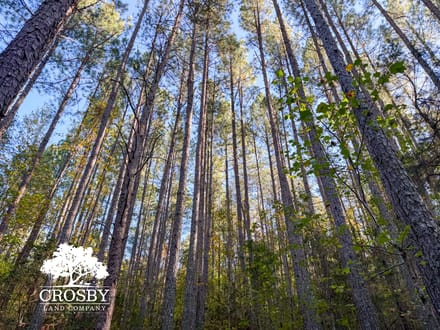
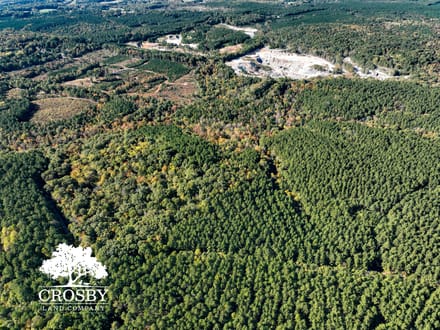
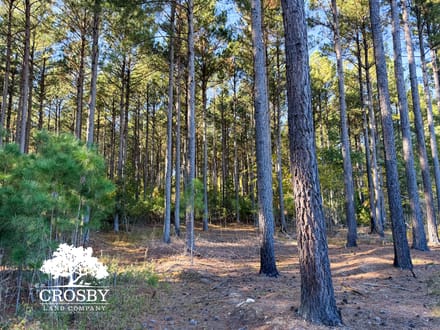
East of the mountains, most North Carolina hunting land is working pine — planted loblolly or restored longleaf that thins on a rough ten-year cycle while the hunting improves as the canopy opens; in the mountains and upper Piedmont, hardwood timber and mast production matter just as much. North Carolina’s Present-Use Value program assesses qualifying forestland of 20 acres or more under a written forest management plan at use value rather than market value, which for many owners cuts the annual tax bill substantially. Ask us about a timber cruise and the PUV status of any tract before you make an offer; we can arrange both.
Where we work in North Carolina
Our agents work hunting land across North Carolina, with the deepest roots in the Sandhills, the Uwharries, and the southeastern coastal plain — Moore, Montgomery, Randolph, Stanly, Anson, Union, Richmond, Scotland, Hoke, Cumberland, Robeson, Bladen, Columbus, Sampson, and Duplin counties — and we have listed tracts as far west as the Blue Ridge.
Looking for income-first acreage instead? Browse our timberland for sale in North Carolina. We also represent hunting land for sale in South Carolina and hunting land for sale in Georgia — or see all land for sale in North Carolina.
Frequently asked questions
How much does hunting land cost per acre in North Carolina?
It varies more than most buyers expect. Timber age, deeded road frontage, water, terrain, and distance from Charlotte, Raleigh, Asheville, or Fayetteville move price per acre by a wide margin even within one county, and North Carolina’s population growth is pushing rural land values up. The listings above show live asking prices; if you own land and want to know what it is worth, request a free property evaluation.
When is deer season in North Carolina?
For 2026–27 in the southeastern zone, archery runs September 12 – October 2, blackpowder October 3 – 16, and gun season October 17 – January 1. In the central zone, archery runs through October 30, blackpowder October 31 – November 13, and gun season November 14 – January 1. The western and northwestern zones have their own dates — check the NC Wildlife Resources Commission for the county you’re buying in.
Can I lease out my North Carolina hunting land?
Yes, and most owners do. Southeast hunting leases generally run from the high single digits to around $30 an acre per year, with managed tracts carrying food plots and good access toward the top of that range — enough to cover property taxes on most tracts. Written lease agreements and liability insurance are standard; we can point you to both.
What should I check before buying hunting land in North Carolina?
Legal access (deeded, not a handshake), timber age and whether any timber has been sold or reserved, wetlands and floodplain on the tract, hunting pressure on neighboring parcels, which deer and bear zone the county falls in, and whether the land is enrolled in Present-Use Value. Our agents check all of these before we list a property — and before you buy one.
Own hunting land in North Carolina? Landowners across the Southeast trust Crosby Land Company to bring the right buyer at the right price. Get a free property evaluation — no cost, no obligation.
Accredited Land Consultant (ALC) on staff · Named to The Land Report’s 2026 America’s Best Brokerages · Licensed in South Carolina, Georgia, Alabama, North Carolina, and Florida
