






Undeveloped land in North Carolina
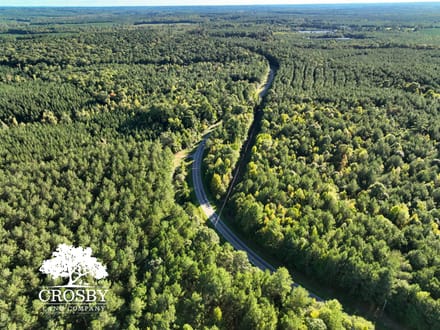
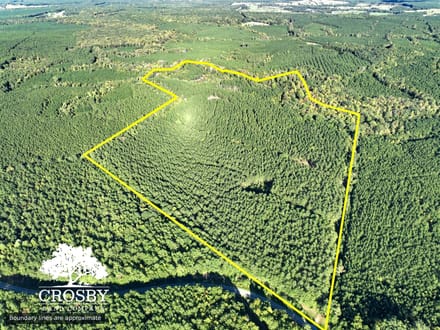
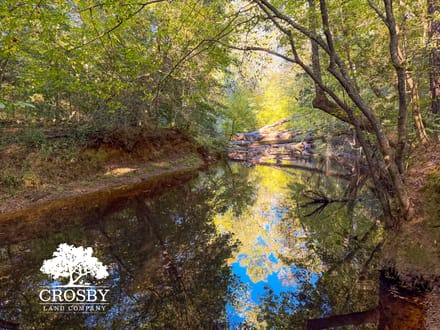
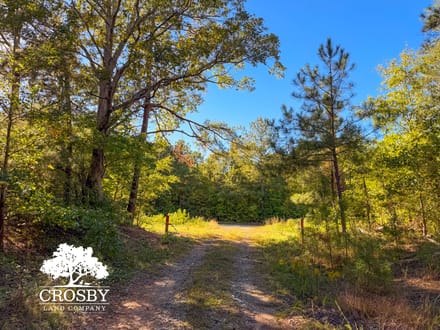
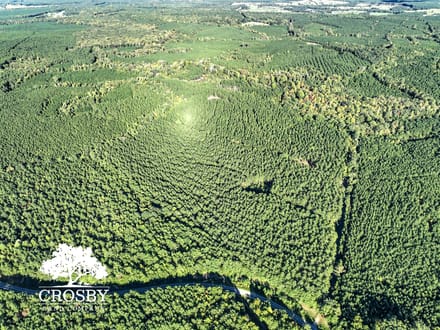
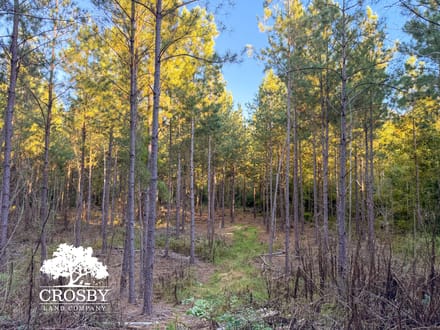
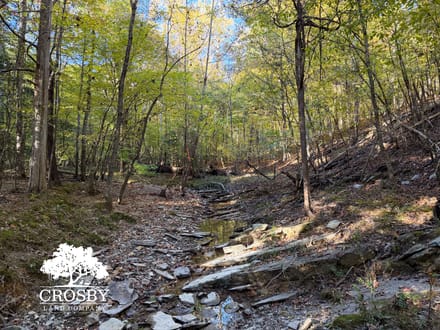
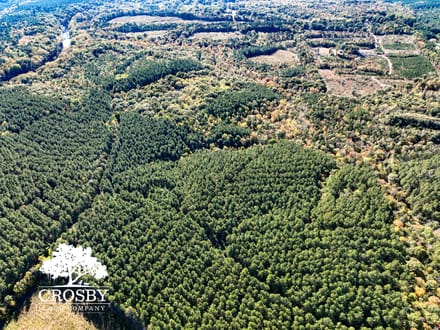
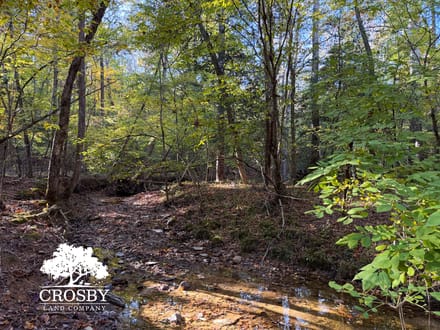
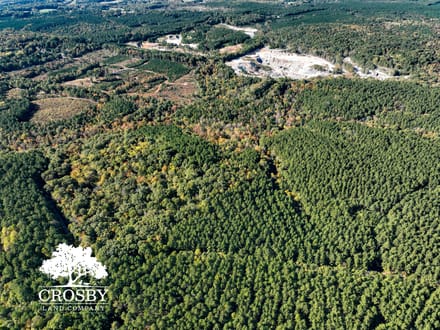
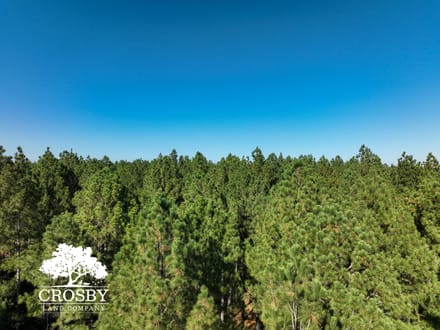
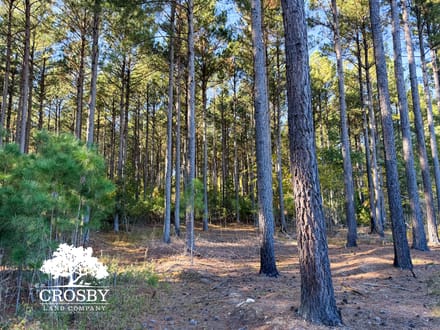
Undeveloped land is acreage without significant improvements — no house, no subdivision, often no utilities yet. In North Carolina that covers a wide range: cutover and planted pine on the coastal plain, wooded homesites in the Piedmont and Sandhills, mountain tracts with streams and long-range views, family land held for generations, and larger acreage along the growth corridors around Charlotte, the Triangle, Greensboro, Fayetteville, Wilmington, and Asheville. North Carolina is one of the fastest-growing states in the country, and undeveloped land near that growth is often bought as much for what it will become as for what it is today.
Why buyers choose raw land
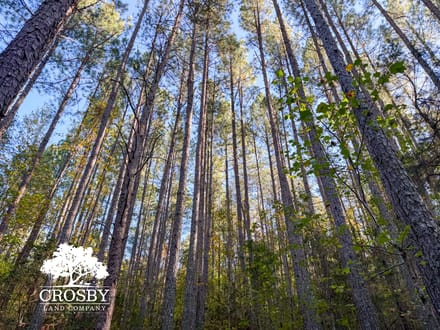
Undeveloped land gives you a blank canvas: you choose where the house, barn, pond, or food plots go. It can carry timber that grows in value while you hold it, it usually costs less to hold than improved property, and forestland of 20 acres or more managed under a written plan may qualify for North Carolina’s Present-Use Value program, which can cut the annual tax bill substantially. For investors, the right tract in the path of development can appreciate well beyond its current use. Our agents can walk you through the timber, the access, and the long-term potential of any tract below.
Before you buy undeveloped land in North Carolina
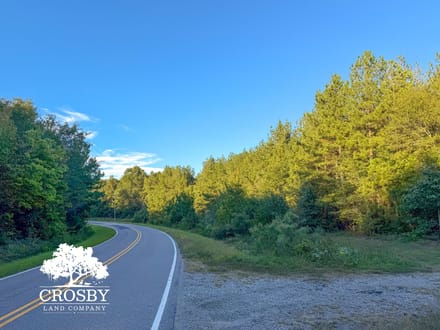
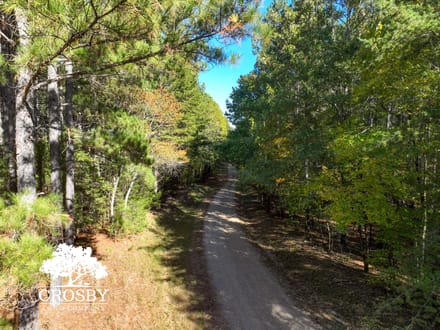
Raw land rewards homework. Confirm deeded legal access and road frontage, check the county zoning and any subdivision rules if you plan to split the tract or build, and get a soil evaluation for septic through the county health department before you count on a homesite. Walk the wetland and floodplain lines, since the Army Corps of Engineers regulates wetlands and FEMA flood zones affect where you can build and what insurance costs; in the mountains, add slope, road grade, and year-round access to the list. Find out how far power, water, and broadband are from the property line. And if the land is enrolled in Present-Use Value, know that leaving the program triggers rollback of three years of deferred taxes plus interest. Our agents check all of these before we list a property, and before you buy one.
Where we work in North Carolina
Our agents work land across North Carolina, with the deepest roots in the Sandhills, the Uwharries, and the southeastern coastal plain — Moore, Montgomery, Randolph, Stanly, Anson, Union, Richmond, Scotland, Hoke, Cumberland, Robeson, Bladen, Columbus, Sampson, and Duplin counties — and we have listed tracts as far west as the Blue Ridge.
Looking for land with a specific use in mind? Browse our timberland for sale in North Carolina, recreational land for sale in North Carolina, and hunting land for sale in North Carolina — or see all land for sale in North Carolina.
Frequently asked questions
How much does undeveloped land cost per acre in North Carolina?
It varies more than most buyers expect. Location relative to growth, road frontage, zoning, utilities, buildable ground versus wetlands or steep slopes, and standing timber move price per acre by a wide margin, even between neighboring tracts. The listings above show live asking prices; if you own land and want to know what it is worth, request a free property evaluation.
Can I build a house on undeveloped land in North Carolina?
Usually, but confirm three things first: the county zoning allows a residence, the soils will support a septic system (or public sewer is available), and the homesite sits outside wetlands and the floodplain. In the mountains, also confirm the slope and road grade will support construction and year-round access. We help buyers check all of these before closing.
Is undeveloped land a good investment?
It can be, especially near growing towns and highway corridors, and timber on the tract can produce income while you hold it. Land carries no tenants or buildings to maintain, but it also produces no rent unless it is farmed, leased for hunting, or timbered, so the right tract depends on your timeline and goals. Our agents can help you weigh the options.
What should I check before buying undeveloped land in North Carolina?
Legal access, a current survey, zoning and subdivision rules, septic suitability, wetlands and flood zone, slope and road grade in the mountains, distance to utilities, Present-Use Value status, and whether any timber has been sold or reserved. We walk every one of these with you.
Own undeveloped land in North Carolina? Landowners across the Southeast trust Crosby Land Company to bring the right buyer at the right price. Get a free property evaluation — no cost, no obligation.
Accredited Land Consultant (ALC) on staff · Named to The Land Report’s 2026 America’s Best Brokerages · Licensed in South Carolina, Georgia, Alabama, North Carolina, and Florida
