






A working forest state
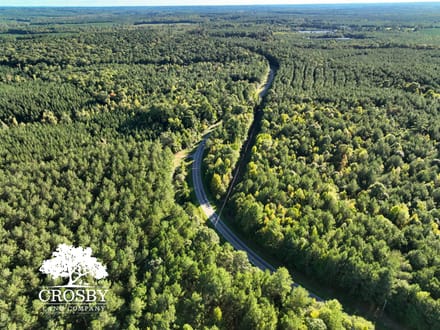
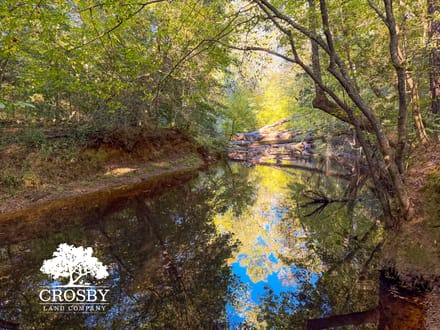
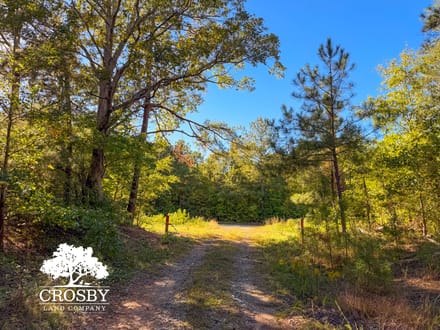
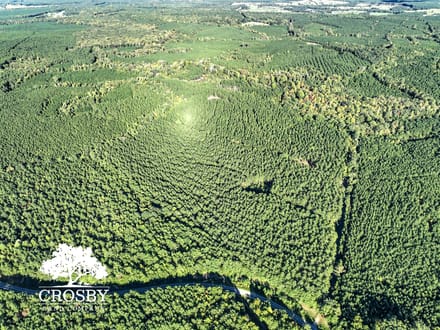
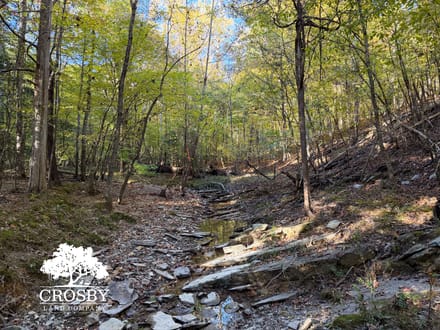
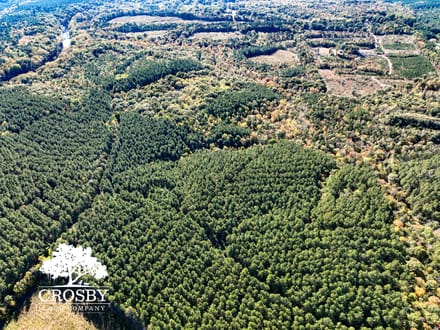
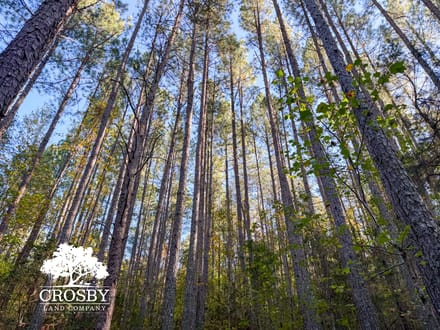
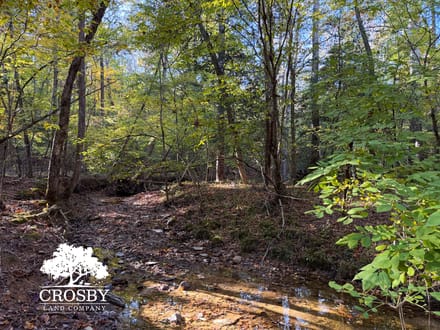
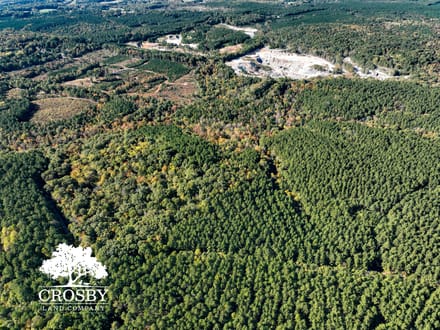
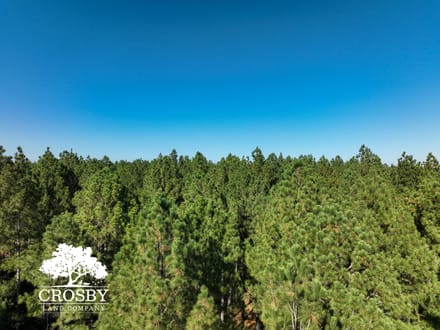
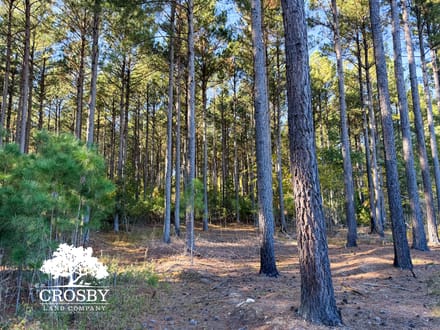
North Carolina has more than 18 million acres of forest, about 61 percent of the state, and roughly 15 million of those acres are owned by private landowners rather than industry or government. The forest sector contributes over $40 billion a year to the state economy. The timber changes as you cross the state: oak, yellow-poplar, and cherry on the mountain slopes; mixed pine and hardwood across the Piedmont; longleaf and wiregrass on the deep sands of the Sandhills, the heart of North Carolina’s longleaf restoration; and fast-growing planted loblolly, with cypress and gum in the river bottoms, across the coastal plain.
What the timber is worth
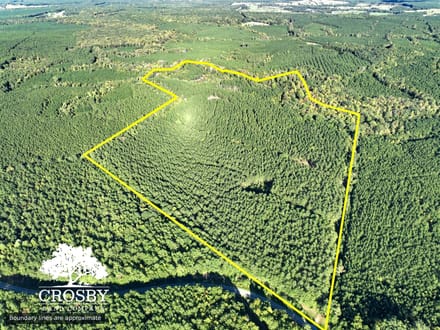
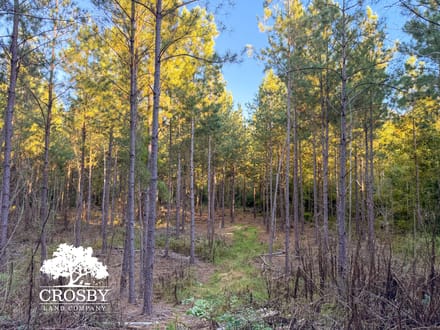
Statewide stumpage in the fourth quarter of 2025 ran about $28 a ton for pine sawtimber, $21 for chip-n-saw, and under $7 for pine pulpwood — so the age and product class of the timber on a tract matters far more than the acreage. A stand ready for its first thinning is a different investment than fresh seedlings or mature sawtimber, and mountain hardwood tracts are valued on species, grade, and access as much as volume. Our agents can walk you through the timber on any tract below, and we can arrange a timber cruise before you make an offer.
Present-Use Value and cost-share
North Carolina’s Present-Use Value program assesses forestland of 20 acres or more at its value for growing timber rather than its market value, provided the tract is managed under a written forest management plan. There is no income test for forestry, and the savings on a sizable tract are real; leaving the program triggers rollback of the deferred taxes for the prior three years plus interest, so we check PUV status and the plan on every timber listing. The NC Forest Service’s Forest Development Program also cost-shares reforestation and stand improvement on up to 100 acres a year per landowner, which can meaningfully lower the cost of replanting a cutover tract.
Where we work in North Carolina
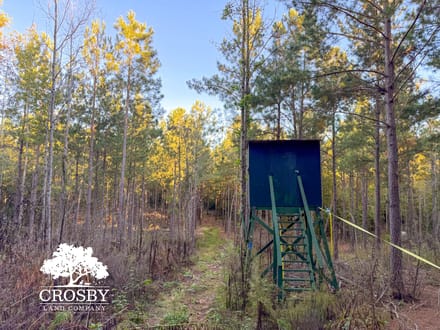
Our agents work timberland across North Carolina, with the deepest roots in the Sandhills, the Uwharries, and the southeastern coastal plain — Moore, Montgomery, Randolph, Stanly, Anson, Union, Richmond, Scotland, Hoke, Cumberland, Robeson, Bladen, Columbus, Sampson, and Duplin counties — and we have listed tracts as far west as the Blue Ridge. Most timber tracts here also hold whitetail and turkey, and public land from the Pisgah and Nantahala national forests to Sandhills Game Land and Bladen Lakes State Forest supports both the hunting and the resale value of land nearby.
Looking for a tract where the hunting comes first? Browse our hunting land for sale in North Carolina. We also represent timberland for sale in South Carolina and timberland for sale in Georgia — or see all land for sale in North Carolina.
Frequently asked questions
How much does timberland cost per acre in North Carolina?
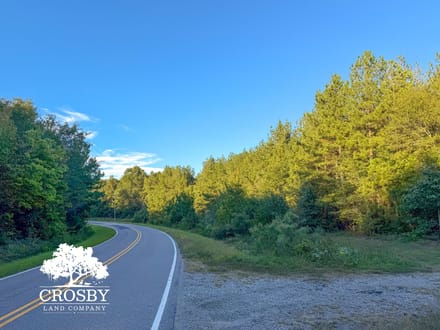
It depends almost entirely on what is standing on it. Cutover ground, a ten-year-old plantation, and a mature sawtimber stand on the same soil can differ by a wide margin per acre, before you account for road frontage, distance to a mill, and how close the tract is to Charlotte, Raleigh, Asheville, or Fayetteville. The listings above show live asking prices; if you own timberland and want a real number, request a free property evaluation.
What does Present-Use Value require for forestland?
At least 20 acres in actual timber production, a written forest management plan that follows sound practices, and generally four years of ownership unless the tract includes your residence. We can help you confirm whether a tract qualifies and whether the previous owner’s enrollment carries forward.
How often does a North Carolina pine stand produce income?
A typical planted loblolly rotation on the coastal plain gives a first commercial thinning at roughly 12 to 18 years, a second thinning several years later, and a sawtimber harvest at maturity. Longleaf grows more slowly but produces higher-value poles and sawtimber over a longer rotation, and restoration cost-share is often available in the Sandhills. Mountain hardwoods run on much longer cycles, valued by species and grade.
What should I check before buying timberland in North Carolina?
A recent timber cruise, stand age and whether any timber has been sold or reserved, legal access for log trucks, PUV status and the management plan, wetland and stream buffers, and the burn history. We check all of these before we list a property, and before you buy one.
Own timberland in North Carolina? Landowners across the Southeast trust Crosby Land Company to bring the right buyer at the right price. Get a free property evaluation — no cost, no obligation.
Accredited Land Consultant (ALC) on staff · Named to The Land Report’s 2026 America’s Best Brokerages · Licensed in South Carolina, Georgia, Alabama, North Carolina, and Florida
